



In the ever‑evolving landscape of digital marketing, programmatic advertising has emerged as a game‑changer. By automating the purchase and placement of ads, this technology-driven approach replaces the old-fashioned back‑and‑forth of RFPs and manual negotiations with real‑time bidding and data‑fueled decision‑making. But what exactly is programmatic advertising, who stands to gain from it, and how can you harness its power to propel your brand forward? Let’s dive in.
What Is Programmatic Advertising?
At its core, programmatic advertising uses software and algorithms to buy and sell ad space across websites, apps, and other digital channels. Instead of relying on human negotiations, advertisers participate in real‑time auctions where the most relevant impressions—determined by user data and bid strategy—win the placement. The result? Ads arrive in front of the right eyes at the exact moment they’ll have the greatest impact.
Who Benefits Most from Programmatic?
While large enterprises with hefty media budgets were early adopters, programmatic advertising now extends to businesses of all sizes:
- Data-Driven Marketers: If you thrive on analytics and customer insights, programmatic unlocks precision targeting by demographics, interests, location, and browsing behavior.
- Niche Brands: Whether you cater to vegan athletes in Denver or luxury travelers in Southeast Asia, programmatic lets you zero in on your ideal audience without waste.
- Scalable Campaigners: Want to start local and expand globally? Programmatic’s vast inventory—from small blogs to premium publishers—allows you to scale on demand.
- Personalization Advocates: Sophisticated algorithms serve tailored messages at scale, boosting relevance and engagement across diverse audience segments.
- Transparency Seekers: Real‑time dashboards show where your ads appear, who’s seeing them, and how they’re performing—putting you firmly in control of spend and strategy.

Key Programmatic Channels
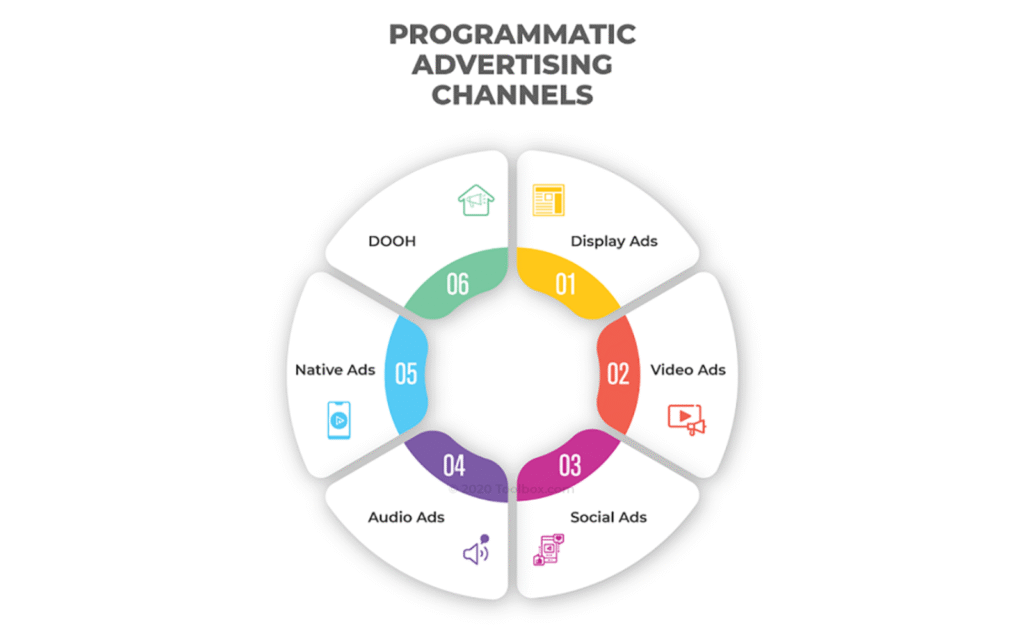
Programmatic tools span multiple ad formats, each offering unique advantages:
- Display Ads
Classic banners, rich media, and interstitials on websites and apps. Dynamic creative optimization (DCO) ensures visuals and copy adapt to user profiles in real time. - Video Ads
- In-Stream: Pre-roll, mid-roll, and post-roll spots in video players.
- Out-Stream: Auto‑playing videos embedded in articles or social feeds.
- In-Display: Video thumbnails in search results or content recommendations.
- Social Ads
Platforms like Facebook, Instagram, LinkedIn, and Twitter now offer programmatic buying, combining social targeting with real‑time bidding to reach users across their feeds. - Native Ads
Seamlessly integrated into editorial or social content, these ads mimic the surrounding material—ideal for subtle brand messaging and higher engagement rates. - Audio Ads
Programmatic audio spots on streaming services (Spotify, Pandora) and podcasts allow you to tap into the intimate, on‑the‑go listening audience. - Digital Out‑Of‑Home (DOOH)
Dynamic billboards, transit screens, and mall kiosks that update in real-time—perfect for location‑based triggers and weather‑adaptive messaging.
Advantages of Going Programmatic
- Unmatched Efficiency: Automated workflows replace manual insertion orders, slashing setup times and human error.
- Granular Targeting: Combine first‑, second‑, and third‑party data to micro‑segment audiences.
- Real-Time Optimization: Pause underperforming creatives, reallocate budget dynamically, and refine bidding strategies on the fly.
- Cost Savings: Precise targeting and automated buying often yield better ROI than broad, manual campaigns.
- Extensive Reach: Access millions of ad inventory sources through a single demand‑side platform (DSP).
- Personalization at Scale: Use algorithms to tailor messaging for dozens—or hundreds—of audience cohorts without extra effort.
Challenges to Watch Out For
- Complexity: The programmatic ecosystem—featuring DSPs, SSPs, ad exchanges, and data management platforms—can be daunting for newcomers.
- Brand Safety: Automatic placements risk appearing alongside inappropriate content unless you actively manage whitelists and blacklists.
- Ad Fatigue: Without frequency capping, users may see the same ad too often, leading to annoyance rather than engagement.
- Privacy Regulations: Stricter rules (GDPR, CCPA) demand careful data governance and transparent consent processes.
- Ad Blockers: Widespread blocking tools can shrink your reachable audience if creatives aren’t designed to bypass ad filtering.
What It Costs
Programmatic pricing varies widely based on factors like:
- Bidding Model: Real‑time bidding (RTB) CPMs fluctuate with market demand, while programmatic direct deals secure fixed rates for premium inventory.
- Audience Specificity: Narrower targeting often raises CPMs, as you’re vying for a smaller pool of impressions.
- Ad Format: Video and rich media spots command higher rates than standard display banners.
- Publisher Quality: Top‑tier websites and apps cost more—though often deliver better engagement and brand safety.

Real-World Success Stories
- Geico: The insurer leverages programmatic to serve quirky, highly targeted video and display ads across devices, reinforcing brand recall and driving massive traffic to review its latest spots.
- The Economist: By tailoring creatives to reader interests—economics, tech, culture—the publication doubled its programmatic subscription conversions in just five weeks.
- Non‑Profits: Charities geofence local shelters and showcase adoptable pets in banner ads, boosting adoptions by matching visuals to prospective animal lovers’ preferences.
Programmatic vs. Traditional Digital Advertising
While “digital advertising” covers everything from paid search to social media and email, programmatic specifically automates the media‑buying process. Traditional methods often require manual insertion orders, proposals, and fixed placements, whereas programmatic auctions run in milliseconds—maximizing agility, precision, and scale.
Getting Started
- Define Goals & KPIs: Brand awareness, lead gen, e‑commerce sales—your objectives will shape your bidding strategies and creative approaches.
- Choose a DSP: Popular options include The Trade Desk, MediaMath, and Google’s Display & Video 360.
- Assemble Data Assets: Layer in first‑party customer data, CRM segments, and third‑party interest profiles.
- Launch & Optimize: Start with A/B creative tests, refine audience segments, and monitor performance dashboards daily.
- Ensure Compliance: Audit your data sources and ad placements to align with privacy laws and brand safety guidelines.
Embrace the Future
Programmatic advertising isn’t just a trend—it’s the new normal for savvy marketers who demand speed, scale, and surgical targeting. By automating your media buys and letting algorithms work in concert with your strategy, you’ll reach the right customers with the right message, at the right moment—every time. Ready to unlock your next campaign’s potential? The programmatic revolution awaits.


