



We’re living in an era where generative AI is no longer a futuristic concept—it’s a tangible force reshaping how we think, work, and create. Whether you’re a developer, marketer, content creator, or just a curious enthusiast, there’s an AI tool out there designed to supercharge your daily workflow.
From writing code to generating images, translating languages, or crafting SEO-optimized blog posts, these 12 tools aren’t just helpful—they’re transformative. Let’s dive into the standout AI tools that are changing the way people work, forever.
🌐 1. ChatGPT – The Conversational Powerhouse
OpenAI’s ChatGPT needs little introduction. This all-in-one chatbot is your personal writer, coder, researcher, and life coach—all rolled into one. Thanks to its enormous training data and memory capabilities, it adapts to your tone, learns from past conversations, and delivers natural, detailed answers on demand.
With GPT-4, ChatGPT gained even more muscle: AI image generation, internet browsing, and third-party plugins are now in play—though these features are part of the $20/month ChatGPT Plus plan.
Why It’s a Game-Changer:
- Summarizes long text instantly
- Translates multiple languages
- Solves math and logic problems
- Debugs and writes code

🧠 2. Gemini – Google’s Knowledge-First AI
Formerly Bard, Google’s Gemini sets itself apart with live access to Google Search. It doesn’t just pull from memory—it updates in real-time. Gemini also integrates YouTube analysis, voice commands, and image input, creating a rich multi-modal experience.
And here’s the kicker: even the free version can generate images and browse the web—something its competitors often hide behind a paywall.
Top Perks:
- Multilingual support (40+ languages)
- Real-time data analysis
- Code debugging with internet support
- Easy collaboration and sharing

🎨 3. DALL·E – Text-to-Image Magic
Imagine describing an image and seeing it come to life—DALL·E makes that a reality. Built by OpenAI, this tool turns words into visuals, perfect for marketers, designers, and artists. It’s especially handy for creating thumbnails, logos, and even comic panels.
Available exclusively in the ChatGPT Plus plan, DALL·E can also remix or inpaint existing images, adding a creative edge to your visual content.
✍️ 4. Jasper – The Creative Marketing Assistant
Jasper isn’t just another AI writing assistant—it’s a brand-aligned content engine. With 50+ templates for everything from blog posts to product descriptions, Jasper helps businesses produce content that resonates.
Its strength lies in tone personalization and seamless integration with tools like Chrome for writing on the go. Recently, Jasper has evolved into a team-focused project management assistant, making it a must-have for content teams.
🔍 5. Koala – Your SEO Blog Machine
Koala specializes in long-form content that ranks. Powered by GPT-4, it analyzes SERPs in real-time, finds the right keywords, and crafts fully optimized blog posts that are ready to publish. It even integrates with WordPress for one-click uploads.
With style, tone, and structural control, Koala makes creating SEO content simple and scalable—especially for niche sites and blogs.

📚 6. Claude – The Deep Thinker’s AI
Anthropic’s Claude takes a thoughtful approach to generative AI. Designed for safety, transparency, and depth, Claude can generate lengthy documents, analyze files up to 10MB, and adapt to your tone with ease.
It’s ideal for professional environments, offering secure and scalable text processing in chatbot and API forms.

👨💻 7. GitHub Copilot – Coding’s Best Friend
Powered by OpenAI Codex, GitHub Copilot is like autocomplete on steroids for developers. It suggests code in real time, debugs errors, and adapts to your style across languages like Python, JavaScript, and C++.
With recent GPT-4 integration, Copilot has become sharper and more context-aware—making coding faster and smarter.
🔧 8. AlphaCode – Smart Coding at Scale
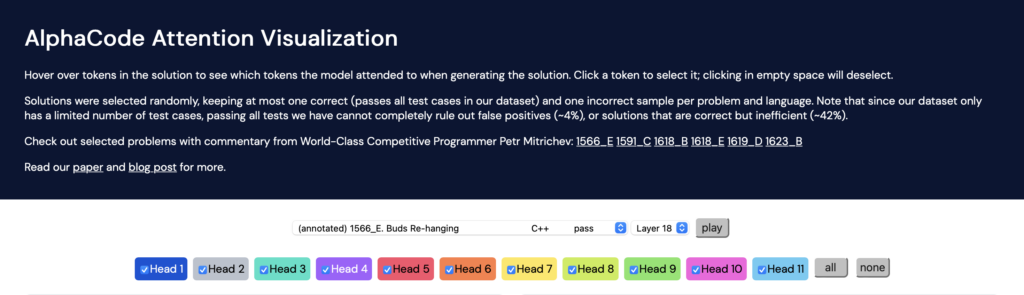
Google DeepMind’s AlphaCode stands out with its ability to generate multiple code solutions for a single problem. It’s designed for competitive programming and problem-solving, providing error detection and performance-boosting suggestions.
AlphaCode is open-source and free to use, making it a strong choice for developers seeking powerful assistance without a steep cost.
✒️ 9. Cohere Generate – Text Generation With a Brain
Cohere’s Generate is built for marketers and developers alike. It combines language fluency with factual precision using RAG (Retrieval-Augmented Generation), turning raw ideas into engaging copy or structured code.
It’s especially useful for writing landing pages, ads, and technical documentation across 100+ languages.
🎬 10. Synthesia – AI Video, Reimagined
Synthesia takes text and transforms it into videos using digital avatars. With over 160 avatar options and support for 120+ languages, you can create explainer videos, internal training content, or social media clips without ever stepping in front of a camera.
You can even build your own avatar clone—voice, face, and all.

🔊 11. ElevenLabs – The Voice of AI
Looking for hyper-realistic voiceovers? ElevenLabs has you covered. It offers 29 languages, multiple emotional tones, and even the ability to clone your voice. You can voiceover full books or translate video content with a few clicks.
Its dubbing studio and long-form voice project features make it ideal for audiobooks, podcasts, and international video content.

🖌️ 12. MidJourney – Art from Imagination
MidJourney remains one of the top image-generation platforms for digital artists. With exceptional text-to-image precision, it’s especially good at replicating textures, structure, and lighting—making it perfect for high-end concept art.
Available through Discord, MidJourney is popular among creatives for good reason: it turns abstract ideas into photorealistic masterpieces.

Final Thoughts
Whether you’re creating content, writing code, designing art, or building brands, generative AI is no longer optional—it’s essential. These tools don’t just save time; they spark creativity, elevate your craft, and unlock possibilities once reserved for teams of experts.
Start with one or two. Experiment. See how these tools can amplify what you already do best.
The future of work is already here—and it’s powered by AI.


