


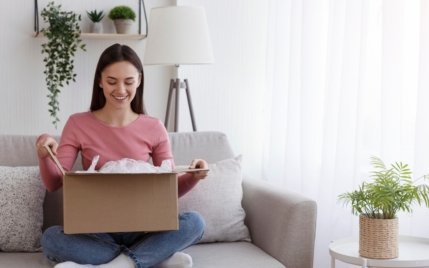
Ever wondered what happens to the thousands of parcels that vanish en route to their recipients? Believe it or not, many of those unclaimed packages end up at liquidation auctions—and savvy buyers are turning them into a surprisingly lucrative side hustle. If you’re looking for a blend of mystery, treasure hunting, and profit potential, here’s your beginner’s guide to legally purchasing lost packages and making money from their contents.
1. Getting Started: The Essentials of Unclaimed Package Buying
a. Scout Reputable Marketplaces
Begin by identifying platforms that have official agreements with major carriers or retailers. Three standout sites are:
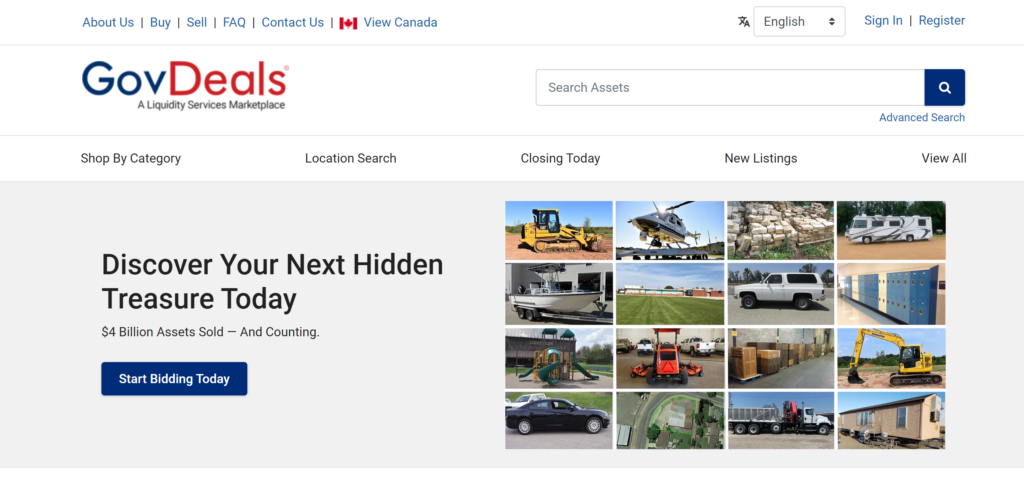
- GovDeals: Sells unclaimed USPS packages alongside government surplus.
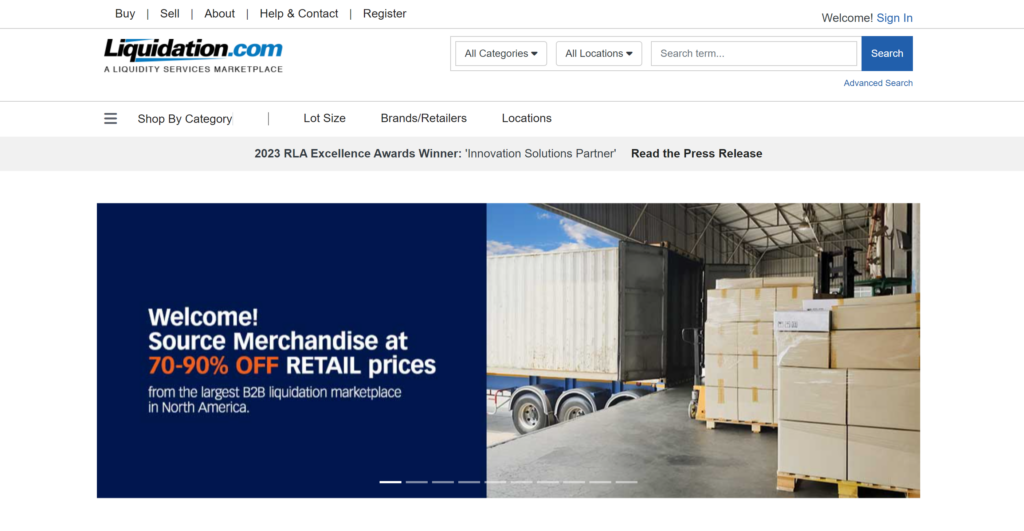
- Liquidation.com: Offers bulk lots of unclaimed and customer-returned merchandise from national retailers.
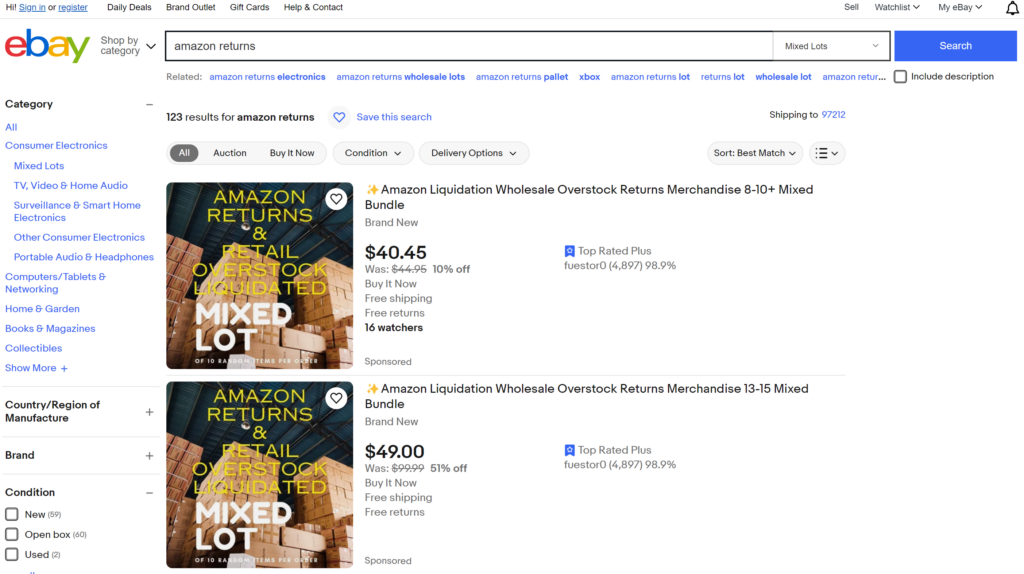
- eBay: Hosts countless “mystery box” listings and pallets of Amazon returns sold by individual sellers and small businesses.

b. Mind the Rules
Always confirm a site’s legitimacy. Look for clear references to carrier contracts or retail returns programs, and check reviews on the Better Business Bureau or Trustpilot. This ensures you’re not buying stolen goods but rather property lawfully released after going undelivered.
c. Set a Realistic Budget
For first-timers, allocate $100–$500. This lets you experiment with a few smaller lots without risking too much capital. Don’t forget to factor in shipping costs—some platforms charge per pallet or charge steep freight fees.
d. Know Your Potential
Before you bid, research typical retail values of high-demand categories—think electronics, branded clothing, or kitchen gadgets. That intel will guide which auctions are likely to yield positive returns and which represent too much uncertainty.
2. Auction Strategies: Maximizing Your Odds
a. Read Descriptions Closely
Many listings hint at contents with labels like “electronics,” “home goods,” or “beauty products.” Sometimes you’ll see detailed manifests; other times you’ll get vague terms like “mixed items.” Use your market knowledge to decide whether the risk is worth the cost.
b. Bid with Discipline
Set a firm maximum before auctions begin—and stick to it. Start with conservative bids to gauge competition, then adjust your strategy for future lots.
c. Experiment with Mystery Boxes
Mystery or “surprise” boxes can deliver windfalls—but also disappointments. Check buyer reviews and start small to understand the return-on-investment profile before scaling up.
3. Unboxing and Inventory: What to Do When Your Package Arrives
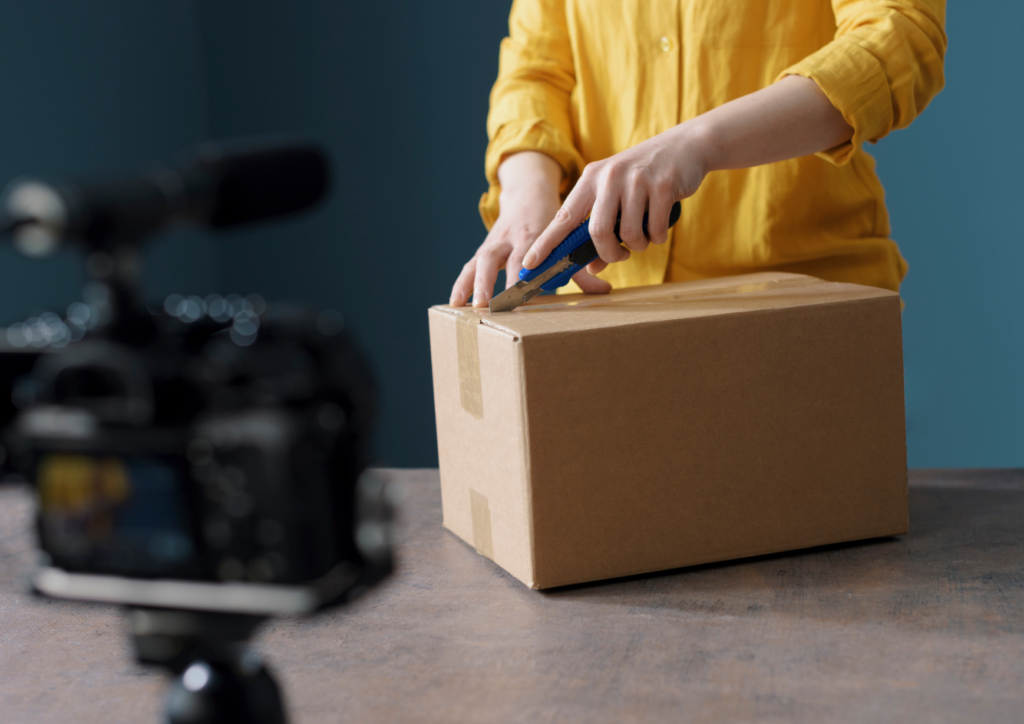
Once your bid wins and your pallet arrives, the real fun begins. Open each box methodically:
- Document Everything — Photograph items and record descriptions.
- Categorize Your Finds — Group electronics, apparel, toys, etc., for quick sorting.
- Assess Condition — Note any damage; some items may need repairs or cleaning before resale.
4. Turning Surprises into Sales: Four Profitable Paths
1. Online Reselling
Platforms like eBay, Poshmark (for clothing), and Facebook Marketplace connect you with buyers willing to pay retail or near-retail prices for gently used or new items. Optimize your listings with clear photos, precise titles, and keywords that shoppers search for, such as “sealed iPhone return” or “mystery electronics lot.”
2. Local Market Sales
Flea markets, swap meets, and consignment shops let you avoid shipping headaches. Display curated bundles—“gently returned kitchen appliances” or “assorted high-end cosmetics”—and negotiate face-to-face. While your audience is smaller, local sales can turn profit faster without packaging or postage.
3. Social Media Unboxing
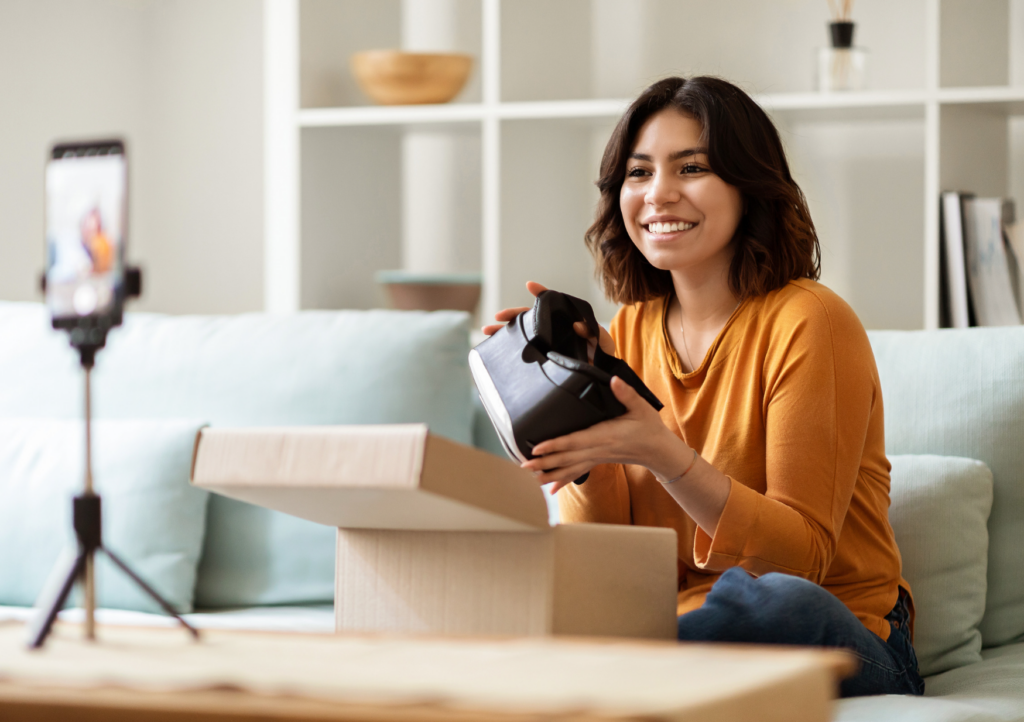
Create a YouTube channel or TikTok series where you unbox and review your unclaimed packages. With enough views and subscribers, you can monetize through ads, sponsorships, and affiliate links—sometimes earning even more than the resale value of the items themselves.
4. Product Reviews & Affiliate Content
Leverage items from your packages to write blog posts or YouTube reviews. If you join affiliate programs (Amazon, eBay Partner Network, etc.), each purchase driven by your review earns you a commission. Your unclaimed-package finds become free product sampling, fueling fresh content and revenue.
5. Platforms in Focus: Where to Bid
1. GovDeals
– What They Offer: USPS and government agency returns, plus surplus equipment.
– Why It’s Good: You can target packages by category (electronics, clothing) and bid in multiple auction formats (live, sealed bid, “Buy Now”).
– Top Tip: Sign up for free, watch a few auctions to understand bidding patterns, and use the “Watch” feature to track lots you’re interested in.
2. Liquidation.com
– What They Offer: Pallets and cases from big-box retailers (Walmart, Amazon, Target).
– Why It’s Good: Detailed manifests often list item brands and quantities—crucial intel for estimating resale value.
– Top Tip: Use filters wisely (brand, condition, lot size) to focus on high-margin opportunities and avoid endless scrolling.
3. eBay
– What They Offer: Individual mystery boxes and bulk pallets sold by various sellers.
– Why It’s Good: Competitive pricing and massive buyer base; you can often negotiate “Make Offer” deals.
– Top Tip: Scrutinize seller feedback and ask questions about shipping costs and return policies before purchasing.
6. Legal & Ethical Considerations
Buying unclaimed packages is generally legal when done through licensed liquidation channels. Carriers hold undelivered parcels, return them to senders, and eventually sell them via contract to liquidation houses. Always verify each platform’s relationship with carriers, and avoid deals that seem too good to be true—those often bypass legal processes.
Final Thoughts
Purchasing lost or unclaimed packages isn’t just about luck—it’s a strategic hustle that combines savvy research, smart bidding, and creative reselling. Whether you’re looking for a side income or dreaming of a full-time “package-flipping” business, these three platforms—GovDeals, Liquidation.com, and eBay—offer reliable entry points. With a modest budget, disciplined bidding tactics, and diverse resale channels, you’ll soon uncover the hidden treasures buried within other people’s lost packages. Happy hunting!


