



In the world of digital marketing, one question that often surfaces is whether to invest in Google Ads or Facebook Ads. Both platforms offer unique advantages, but understanding their key differences and aligning them with your marketing objectives can help you make the most effective use of your advertising budget.
The Core Differences: Google Ads vs. Facebook Ads
At their core, Google Ads and Facebook Ads cater to different types of advertising strategies. Google Ads, historically known as Google AdWords, revolves around paid search advertising. It focuses on capturing potential customers who are actively searching for specific products or services. This model operates on a pay-per-click (PPC) basis, meaning you only pay when someone clicks on your ad. Google Ads is particularly useful for businesses aiming for immediate sales or conversions, as it targets users with strong purchase intent.
On the other hand, Facebook Ads are part of paid social media advertising. Facebook ads focus on building brand awareness and targeting individuals based on their demographics, interests, and online behaviors, rather than direct search intent. These ads are typically less expensive in the short term and can be especially effective for businesses looking to create long-term brand recognition. Facebook boasts over 3 billion active users, with most spending significant time on the platform, which makes it a powerful tool for building a community around your brand.
Understanding the Platforms: Google Ads
Google Ads gives businesses the ability to prioritize their website in search engine results, putting them in front of users who are actively seeking what they offer. Successful campaigns depend heavily on keyword research and understanding search intent. This is where tools like Google’s Keyword Planner become invaluable, helping advertisers choose the right terms to target.
However, there’s a catch. Google Ads can be expensive, especially in competitive industries. Your costs depend on the competition within your niche, the quality score of your ads, and the bidding process. For example, industries like legal services can see cost-per-click (CPC) rates soaring as high as $6 to $7, while more general sectors may experience lower rates.
Understanding the Platforms: Facebook Ads
Unlike Google, which targets users based on what they’re searching for, Facebook ads allow businesses to reach people based on specific characteristics such as age, gender, location, and interests. This makes Facebook particularly strong for targeting a well-defined audience. If you’re just starting out and aren’t sure who your ideal customer is, Facebook ads offer a valuable way to experiment with different audiences to see what resonates best.
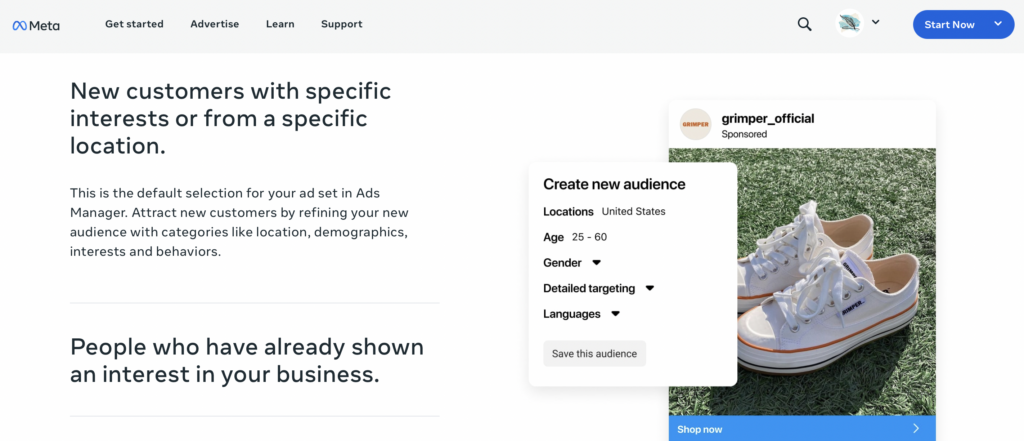
While Facebook ads are usually more cost-effective, they are geared more toward building relationships and brand recognition rather than immediate sales. They allow businesses to target users who might not yet realize they need their product, creating a long-term funnel for future sales.
Choosing the Right Platform for Your Business
When deciding whether to go with Google Ads or Facebook Ads, a lot comes down to your business goals and target audience.
Target Audience
If you know exactly who your ideal customer is, Facebook Ads might be the way to go. The platform’s robust targeting options allow you to filter by a variety of factors, ensuring your ads reach the right people. In contrast, Google Ads operates more around search intent, meaning users see your ads based on what they are actively looking for rather than who they are.
Reach and Visibility
Google dominates when it comes to volume, processing around 40,000 search queries every minute. This vast pool of potential customers offers nearly unlimited reach. However, Facebook also boasts significant reach with 3 billion active users. The difference lies in the nature of the platforms—Google reaches users who are already searching for specific products or services, while Facebook provides an opportunity to build relationships with users before they even know they need your product.
Ad Formats
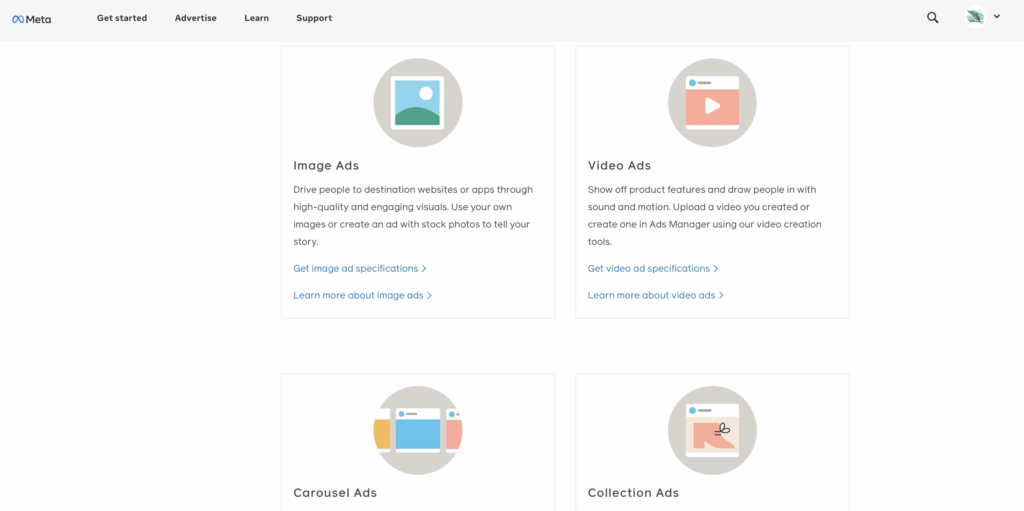
Both platforms offer various ad formats, but Facebook’s flexibility might appeal to businesses looking for more creative expression. While Google primarily offers text-based ads and image ads through the Google Display Network, Facebook allows for text, images, carousels, videos, and more. This variety provides a unique advantage for businesses aiming to create more engaging and dynamic ad campaigns.
Weighing the Pros and Cons
Ultimately, your decision between Google Ads and Facebook Ads will depend on your specific business needs.
Short-Term vs. Long-Term Goals
Google Ads is perfect for businesses looking to achieve quick results. If you’re targeting consumers who are already in the decision-making phase, Google can provide fast returns on your investment. However, these results tend to be more short-lived.
In contrast, Facebook Ads are ideal for businesses that want to focus on long-term strategies. While immediate sales may be fewer, the ads can help you build a lasting brand presence, making you a top-of-mind choice for future buyers.
Budget Considerations
Another factor to consider is your budget. Google Ads often requires a larger budget due to the higher cost-per-click rates, particularly in competitive industries. Facebook Ads, with an average CPC of $0.97, can deliver a more affordable option, making it a great choice for small businesses or startups with limited funds.
Combining Google Ads and Facebook Ads
It’s important to remember that Google Ads and Facebook Ads don’t have to be mutually exclusive. Many marketers find success by using both platforms in tandem.

Retargeting
For instance, you can use Facebook Ads to introduce your brand to a “cold” audience, people who aren’t yet familiar with your business. Once they’ve engaged with your brand, you can retarget them on Google when they search for related products or services. By aligning your messaging across both platforms, you ensure a consistent and effective customer journey.
Building Lookalike Audiences
Facebook’s Lookalike Audience feature allows you to expand your reach to new potential customers who share characteristics with your existing ones. By leveraging the data from your Facebook campaigns, you can create more targeted Google Ads, reaching customers who are more likely to convert.

Final Thoughts: Google Ads vs. Facebook Ads
Both Google Ads and Facebook Ads have their unique advantages, and the key is to align your choice with your goals. Google Ads offers high-intent traffic and immediate results, but it requires a larger budget. Facebook Ads, while better for long-term brand building, can be more cost-effective and offer greater creative freedom. Ultimately, the most successful approach might involve using both platforms strategically to complement each other and maximize your marketing efforts.


